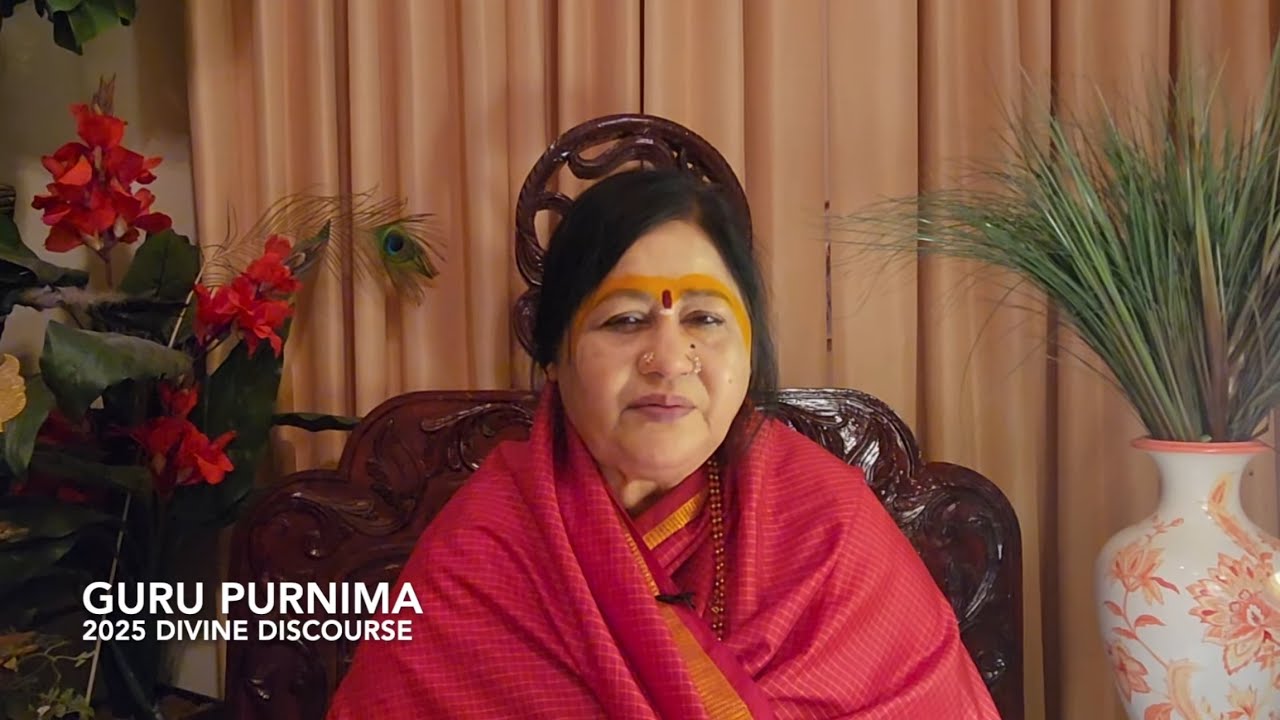
In this discourse, Sri Karunamayi Amma explores the power and significance of Sri Lalita Sahasranama—the one thousand sacred names of the Divine Mother—as a foundational spiritual practice for seekers. The talk covers the metaphysical significance of each name, the relationship between the Mother Goddess (Lalita Bhavani) and universal consciousness, the role of kundalini activation through mantra recitation, and the practical benefits of chanting these names for liberation, protection, and spiritual awakening. Amma emphasizes that the Sahasranama is not merely a list of appellations but a complete philosophy embedded in tantric and Vedic wisdom, offering guidance for both householders and renunciates.
What Is Sri Lalita Sahasranama and Why Does It Matter?
Sri Lalita Sahasranama is a classical Sanskrit scripture containing one thousand names (sahasranama) of Sri Lalita Devi, the supreme feminine principle of the Divine. According to Sri Karunamayi's teachings, these names are not poetic embellishments but precise formulations of cosmic principles encoded in sound and meaning. Each name describes a specific aspect of the Goddess's nature—her powers (shaktis), her functions in creation, her relationship to the individual soul, and her role as liberator. Amma emphasizes that studying and chanting the Sahasranama is equivalent to receiving direct teaching from the Goddess herself, as each name reveals layers of philosophical truth about consciousness, manifestation, and the path to self-realization.
The text originates from the Brahmanda Purana and other tantric sources, and its recitation has been prescribed in Hindu and tantric traditions for millennia. What makes the Sahasranama particularly significant, according to Amma, is that it combines Vedic philosophy with tantric practice—making it accessible to seekers across different paths and temperaments. Whether one approaches it as pure philosophy, as a devotional practice, or as a mantra sadhana, the Sahasranama offers corresponding benefits and teachings.
How Do the Divine Names Activate Kundalini and Inner Awakening?
A central theme in Amma's discourse is the relationship between the names of the Goddess and kundalini activation. Each name, when chanted with understanding and devotion, carries vibrational frequencies that correspond to specific energy channels and chakras within the subtle body. Sri Karunamayi teaches that the repetition of these names is not mechanical recitation but a precise technology for aligning the individual consciousness with divine consciousness.
When a practitioner chants the names with focus and sincere intention, the vibrations travel through the nadis (subtle channels) and awaken dormant spiritual energy. The Sahasranama, in this sense, serves as a roadmap for the kundalini's ascent from the muladhara chakra (root center) to the sahasrara (crown center). Amma points out that this is why preliminary practices—maintaining ethical conduct, purifying the mind through meditation, and cultivating devotion—are essential before undertaking intensive chanting of the Sahasranama. The practice requires preparation so that the awakened energy is channeled safely and constructively rather than causing disturbance.
The Goddess herself, represented in each name, becomes the guide and protector of this inner journey. Names like "Chakravāsinī" (she who dwells in the chakras) and "Kundalinī-rūpinī" (she who is the kundalini) directly reference this connection between the Sahasranama and the awakening of inner divine energy.
What Are the Philosophical Layers Hidden Within Each Name?
Sri Karunamayi teaches that each of the one thousand names contains multiple layers of meaning—etymological, mythological, philosophical, and experiential. To recite the names carelessly is to miss their deeper significance. Instead, Amma recommends engaging with a commentary (vritti) such as the Lalita Triśati-bhāṣya or the Sahasranama-bhāṣya, which unfolds the meaning of each name and connects it to Vedantic philosophy, chakra psychology, and the stages of spiritual unfoldment.
For example, the name "Trivarga-dāyinī" (giver of the three aims of life—dharma, artha, and kama) teaches that the Goddess does not reject worldly life but sanctifies it and directs it toward moksha (liberation). Similarly, "Brahma-anda-nāyikā" (sovereign of the cosmos) reveals that the individual seeker is not separate from the cosmic order but is an expression of it. Each name, when contemplated deeply, dissolves the false boundaries between self and other, material and spiritual, personal and universal.
Amma emphasizes that this philosophical dimension is not optional decoration but the heart of the practice. Without understanding the names, one may experience some benefits from repetition, but the full transformative power of the Sahasranama remains inaccessible. Conversely, intellectual understanding alone, without sincere chanting and practice, becomes sterile philosophy. The ideal approach integrates both: understanding the meaning while chanting with devotion and focused awareness.
How Should One Approach Chanting the Sahasranama?
Sri Karunamayi outlines several approaches to the Sahasranama, depending on the practitioner's temperament, lifestyle, and level of development:
- Mantra Recitation (Japa): Chanting the full Sahasranama, often using a mala (prayer beads) with 108 beads, once or multiple times daily. This is the most traditional and widely practiced approach, suitable for those with some stability of mind and consistent discipline.
- Study and Contemplation (Svādhyāya): Reading and meditating on selected names or groups of names, with reference to a commentary. This approach suits the intellectual temperament and those with limited time for continuous chanting.
- Devotional Singing (Bhajana): Some names have been composed into devotional hymns and songs. Singing them with feeling and emotion activates the heart center and generates bhakti (devotional love), which supports all other practices.
- Meditation on the Forms: Each name often corresponds to a specific form of the Goddess or a particular expression of her power. Visualizing these forms while chanting deepens the practice and engages the intuitive faculties.
Amma advises that consistency matters more than intensity. Chanting even a small portion of the Sahasranama daily with full attention is superior to occasional marathon sessions done mechanically. She also recommends that practitioners begin with understanding the meaning and philosophy behind the names before undertaking intensive mantra sadhana, as this foundation prevents misalignment of energy and ensures the practice serves the seeker's highest good.
For householders with family and work responsibilities, Amma suggests integrating the Sahasranama practice into daily life—chanting while walking, during commutes, or in the early morning hours. The key is to create a sacred container for the practice, a dedicated time and space where the mind can turn inward and connect with the Goddess.
What Are the Direct Benefits of Sahasranama Chanting?
According to Sri Karunamayi, the benefits of sincere Sahasranama practice span material, psychological, and spiritual dimensions:
- Protection and Safety: The names invoke the protective power of the Goddess, shielding the practitioner from negative influences, harmful intentions, and internal obstacles. Names like "Rakṣitri" (protectress) and "Durgā" (she who removes difficulties) work to dissolve obstacles on the path.
- Mental Clarity and Peace: The rhythmic repetition of sacred sounds calms the mind, reduces the velocity of thought-patterns, and establishes inner quietude. This naturally leads to better decision-making and emotional resilience.
- Activation of Latent Capacities: Many names correspond to specific siddhis (spiritual powers) and talents. As one chants, dormant abilities in intuition, compassion, creativity, and wisdom begin to awaken and manifest.
- Purification of Karma: The vibrational power of the names purifies past impressions (samskaras) stored in the subtle body, gradually loosening the grip of karmic conditioning and opening pathways for new possibilities.
- Realization of Non-Duality: The ultimate fruit of sustained practice is the direct recognition that the individual consciousness (Atman) is identical with the universal consciousness (Brahman) represented by each name. This realization brings permanent liberation (moksha).
Amma emphasizes that these benefits unfold naturally as a result of regular, sincere practice—not through wishful thinking or magical expectation. The Sahasranama works according to universal laws of consciousness; the names align the individual with divine principles, and the universe responds accordingly.
Which Texts Support the Teaching on Sahasranama?
Sri Karunamayi grounds her discourse in classical sources. The primary text is the Sri Lalita Sahasranama itself, traditionally found within the Brahmanda Purana. Amma also references the Lalita Triśati (three hundred names of the Goddess), which is a condensed form of the Sahasranama and often serves as an entry point for practitioners. Supporting philosophical texts include the Upanishads (particularly those that teach non-duality), the Bhagavad Gita (especially chapters on bhakti and dharma), and tantric scriptures like the Śrī Chakra Pūjā texts and the Tripura Upanishad.
The Sahasranama is often chanted as part of Sri Chakra worship and Tripura Sundari sadhana (spiritual practice devoted to the Goddess in her cosmic form). Understanding the relationship between the Sahasranama and the geometry of the Sri Chakra—the sacred diagram of concentric triangles that represents the architecture of consciousness—adds another layer of depth to the practice.
How Does Sahasranama Practice Relate to Daily Life and Ethics?
A subtly important teaching from Sri Karunamayi is that Sahasranama practice does not require withdrawal from the world or abandonment of responsibilities. The Goddess, through her thousand names, sanctifies every aspect of existence—family life, work, relationships, and social duties. Names like "Mātṛ" (mother) and "Bhāryā" (spouse) remind the practitioner that the Goddess manifests through these roles and relationships.
However, Amma is clear that sincere spiritual practice requires ethical foundation. The yamas and niyamas (ethical restraints and observances) from yoga philosophy—such as truthfulness, non-harm, and non-stealing—are not optional preliminaries but integral to the path. Chanting the names while engaging in unethical behavior or harboring destructive intentions creates internal conflict that impedes spiritual progress.
The Sahasranama, in this sense, serves as both mirror and medicine: it reveals areas of life where one has strayed from dharma (righteous living), and it gradually transforms consciousness so that ethical living flows naturally rather than as forced adherence to rules.
What Obstacles Might Arise in Sahasranama Practice, and How to Address Them?
Sri Karunamayi acknowledges that intensive spiritual practice, including Sahasranama sadhana, can trigger purification of deep-seated psychological and karmic patterns. These purifications may manifest as temporary emotional upheaval, physical symptoms, or encounters with suppressed memories and fears. Amma teaches that these are not signs of failure but evidence that the practice is working—the Goddess is, quite literally, clearing the house of the seeker's consciousness.
To navigate these periods safely, Amma recommends:
- Maintaining a steady relationship with a qualified teacher or guru who can offer guidance specific to your situation.
- Balancing intense mantra practice with grounding activities—physical exercise, service to others, and engagement with family and community.
- Not pushing too hard or forcing faster results; allowing the Goddess to set the pace of unfoldment.
- Maintaining ethical conduct and honest self-reflection to ensure the practice serves genuine spiritual growth rather than ego-inflation or escapism.
- Using complementary practices such as meditation, pranayama (breath work), and yoga asana to integrate the energy awakened by chanting.
Where to Go from Here
For those drawn to this path, Sri Karunamayi suggests beginning with either the shorter Lalita Triśati or with a few names of the full Sahasranama, studied with a reliable commentary. Many ashrams and spiritual communities offer group chanting sessions, which provide both the power of collective energy and the corrective feedback of experienced practitioners. Reading secondary texts that explain the philosophy of the Goddess, the chakra system, and the relationship between mantra and consciousness will deepen understanding and support practice.
The goal is not merely to complete one thousand repetitions or to master the pronunciation of one thousand Sanskrit names, but to allow the eternal feminine principle of consciousness—the Goddess—to awaken within and transform the seeker at every level: body, mind, heart, and soul. The Sahasranama, when approached with sincerity and sustained effort, becomes not a religious exercise but a direct path to recognizing one's true nature as pure, eternal, blissful consciousness.