EveryEvent Istanbul

Browse All Events

Find every event in Istanbul

events

Concerts & Live Music
Festivals
Sports & Recreation
Food & Drink
Arts & Culture
Community
Family & Kids
Nightlife
Comedy
Theater
Popular Destinations
BaliSedonaLos AngelesCosta RicaNew YorkSan FranciscoAustinMiamiJoshua TreeTulum
View All CategoriesView All Destinations

Explore All Features

Powerful tools to grow your events

Platform Features

Smart Dynamic Pricing
Ticket Categories
Assigned Seating
Abandoned Cart Recovery
Visitor Recovery
Donations & Sliding Scale
Affiliate Engine
Ticket Scanner
Coupon Codes
Custom Questions
Ticket Sharing
Upsells & Add-ons
Analytics & Reporting
Email Sequences
Waitlist / Notify / Remind
Explore
Discovery HubArtists & PerformersVenuesKnowledge Base
View All FeaturesAbout Us
PricingBlog
Language
Saved events
Browse All Events

events

Concerts & Live MusicFestivalsSports & RecreationFood & DrinkArts & CultureCommunityFamily & KidsNightlife

Popular Destinations

BaliSedonaLos AngelesCosta RicaNew YorkSan Francisco

Explore

Discovery HubArtists & PerformersVenuesKnowledge Base

Platform Features

Smart Dynamic PricingTicket CategoriesAssigned SeatingAbandoned Cart RecoveryVisitor RecoveryDonations & Sliding ScaleAffiliate EngineTicket ScannerCoupon CodesCustom QuestionsTicket SharingUpsells & Add-onsAnalytics & ReportingEmail SequencesWaitlist / Notify / Remind
View All FeaturesAbout Us
PricingBlog
Log inSign UpEvent Organizers
  • Browse All Events
  • Concerts & Live Music
  • Festivals
  • Sports & Recreation
  • Food & Drink
  • Arts & Culture
  • Community
  • Family & Kids
  • Nightlife
  • All Categories →
  • All Destinations →
  • For Promoters
  • For Artists
  • For Venues
  • For Festivals
  • For Event Spaces
  • For Nonprofits
  • For Bloggers
  • For Speakers
  • Brand Ambassador
  • Case Studies
  • 350K+ Buyer Network
  • Abandoned Cart Recovery
  • Smart Dynamic Pricing
  • Ticket Categories
  • Recurring Events
  • Assigned Seating
  • Affiliate Engine
  • Waitlist / Notify
  • Ticket Scanner
  • Embed Widget
  • Event Syndication
  • Message Center
  • Integrations
  • Reports
  • All Features →
  • About
  • The Ecosystem
  • Blog
  • Glossary
  • Inspiration
  • Help Center
  • Contact
  • API Docs
  • Brand Assets
  • Careers
  • Press
  • Terms of Service
  • Privacy Policy

Events

  • Browse All Events
  • Concerts & Live Music
  • Festivals
  • Sports & Recreation
  • Food & Drink
  • Arts & Culture
  • Community
  • Family & Kids
  • Nightlife
  • All Categories →

Getaways

  • All Destinations →

For Organizers

  • For Promoters
  • For Artists
  • For Venues
  • For Festivals
  • For Event Spaces
  • For Nonprofits
  • For Bloggers
  • For Speakers
  • Brand Ambassador
  • Case Studies

Features

  • 350K+ Buyer Network
  • Abandoned Cart Recovery
  • Smart Dynamic Pricing
  • Ticket Categories
  • Recurring Events
  • Assigned Seating
  • Affiliate Engine
  • Waitlist / Notify
  • Ticket Scanner
  • Embed Widget
  • Event Syndication
  • Message Center
  • Integrations
  • Reports
  • All Features →

Company

  • About
  • The Ecosystem
  • Blog
  • Glossary
  • Inspiration
  • Help Center
  • Contact
  • API Docs
  • Brand Assets
  • Careers
  • Press
  • Terms of Service
  • Privacy Policy
EveryEvent
© 2026 EveryEvent Istanbul. All rights reserved.
Inspiration

Rumi's Lovers: The SpiritualEssence of Divine Love

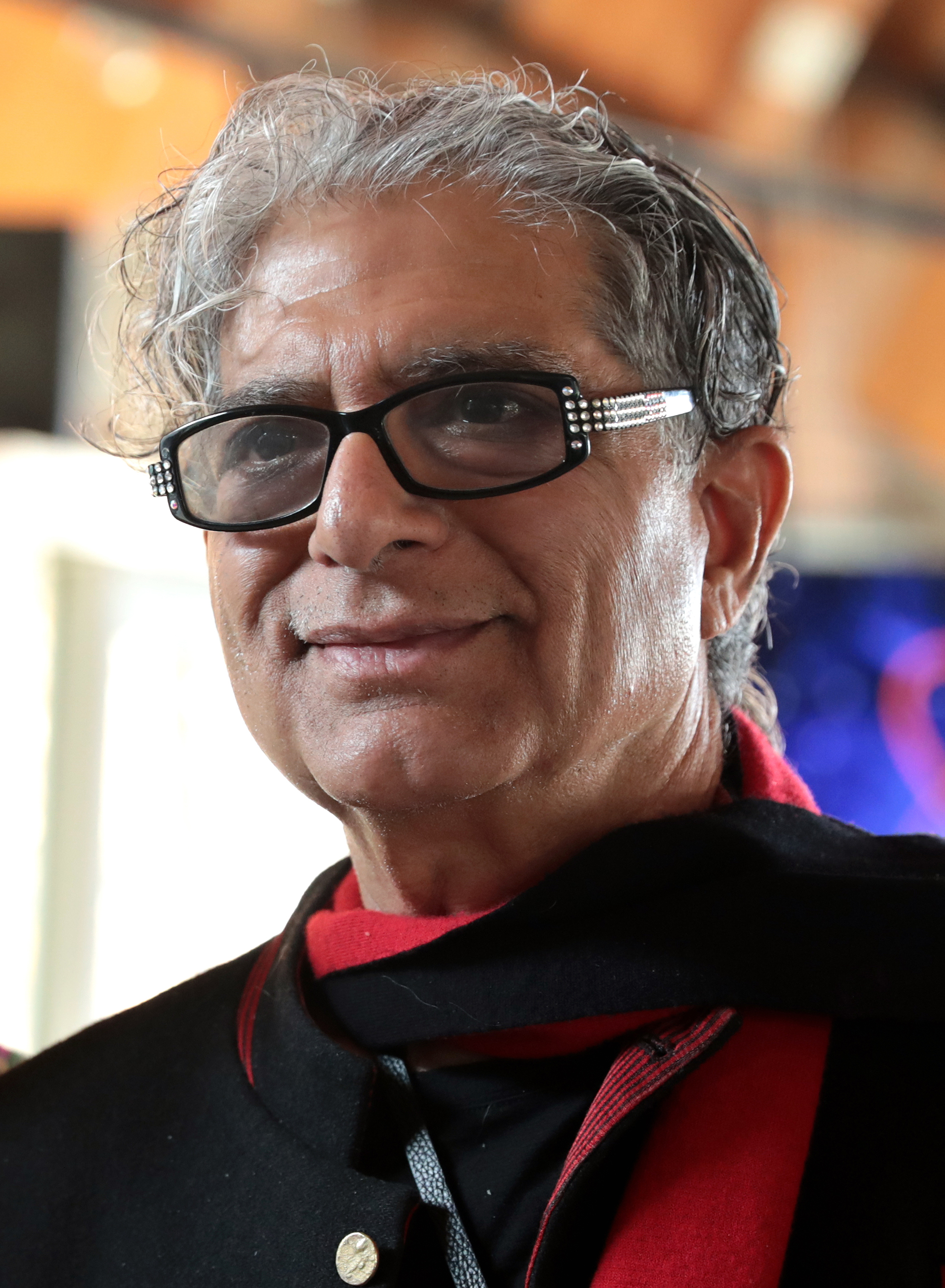
Deepak Chopra
Deepak Chopra
Oct 19, 2013
6 min read

This presentation features Deepak Chopra's meditation on Rumi's "Lovers" poem, a classical Sufi text exploring the nature of divine love and human connection. Set to a musical backdrop composed by Adam Plack, the work examines how lovers represent the meeting point of the sacred and the intimate, illustrating spiritual principles about unity, transcendence, and the dissolution of ego boundaries in the presence of love.

Read · 7 sections

What Is Rumi's "Lovers" Poem About?

Rumi's "Lovers" is a cornerstone work in the Sufi mystical tradition, written by the 13th-century Persian poet Jalal ad-Din Muhammad Rumi. The poem explores the paradox of love as a force that both unites and transforms those who experience it. Rather than treating love as an emotion bounded by individual psychology, Rumi presents lovers as vessels through which something greater—divine love, cosmic consciousness, sacred energy—flows and manifests in the material world.

The central insight of the poem is that lovers exist in a state of mutual dissolution. They are not separate entities clinging to each other; rather, love itself erases the boundaries between them. This is not metaphorical language but a description of direct spiritual experience, where the self-referential ego becomes transparent and two people recognize their fundamental unity beneath the illusion of separation.

How Does Love Function as a Path to Spiritual Awakening?

In Rumi's vision, which Chopra's interpretation emphasizes, love serves as both a spiritual practice and a gateway to awakening. When two people meet in genuine love, they are meeting across the veil of form. The lover becomes a mirror reflecting the beloved's essential nature, not their personality or accumulation of habits, but their fundamental being—the consciousness that animates their existence.

This understanding transforms how we engage with intimate relationships. Instead of viewing love as an exchange of emotions or validation between two needy selves, Rumi invites us to see love as an encounter with truth. The beloved becomes a doorway to recognizing the divine in flesh. This is why Sufi poetry so often uses erotic language and intimate imagery—not as a contradiction of spiritual practice, but as the most direct metaphor for the total dissolution of boundaries that spiritual awakening requires.

What Is the Relationship Between the Individual and the Universal in Love?

One of Rumi's central paradoxes is that in losing oneself in love—in becoming nobody, nobody, nobody—one discovers that there was never really a separate self to begin with. This is the movement from the personal to the universal. Chopra's exploration of this poem engages with the recognition that our deepest human experiences—love, beauty, connection—are doorways to understanding the nature of consciousness itself.

When lovers truly meet, they are not two isolated consciousnesses trying to bridge a gap. They are expressions of the same consciousness experiencing itself from two perspectives. The falling away of defenses, the vulnerability, the absorption in the other person—these are not psychological phenomena but initiations into a recognition of non-duality. Love, in this sense, is not something we do; it is something we recognize and allow ourselves to be moved by.

How Can the Teachings of "Lovers" Be Applied to Modern Relationships?

Chopra's presentation of this ancient poem speaks to a perennial human hunger: the desire to experience love not as a transaction or arrangement, but as a sacred opening. In contemporary life, where relationships are often approached through the lens of emotional needs, attachment styles, and compatibility metrics, Rumi's vision offers a radical alternative.

Applying these teachings means cultivating presence rather than performance in intimate relationships. It means approaching your partner as a mystery rather than a problem to solve or a project to manage. It means recognizing that the beloved's resistance, their otherness, their irreducibility to your expectations—these are not obstacles but the very ground where genuine meeting becomes possible.

This also suggests moving beyond the conditioning that teaches us to seek completion through another person. Instead, two whole beings recognize each other's wholeness and, in that recognition, discover something neither could access alone. The relationship becomes not a rescue mission but a mutual initiation.

What Is the Role of Vulnerability in Spiritual Love?

Rumi's poetry is saturated with images of breaking, spilling, emptying, and dissolution. These are not signs of pathology but descriptions of spiritual maturation. To love as Rumi envisions it requires the willingness to be undone, to have your certainties questioned, your boundaries permeated, your sense of self softened.

This kind of vulnerability is not weakness masquerading as strength; it is the strength that comes from releasing the armor we construct to protect an imaginary solid self. When two people meet in this naked, undefended state, something previously impossible becomes accessible: the experience of being truly seen and truly known. Not as a collection of traits or a resume of accomplishments, but as a presence, a consciousness, a spark of the divine manifesting in human form.

How Does This Meditation Connect to the Broader Teachings on Love?

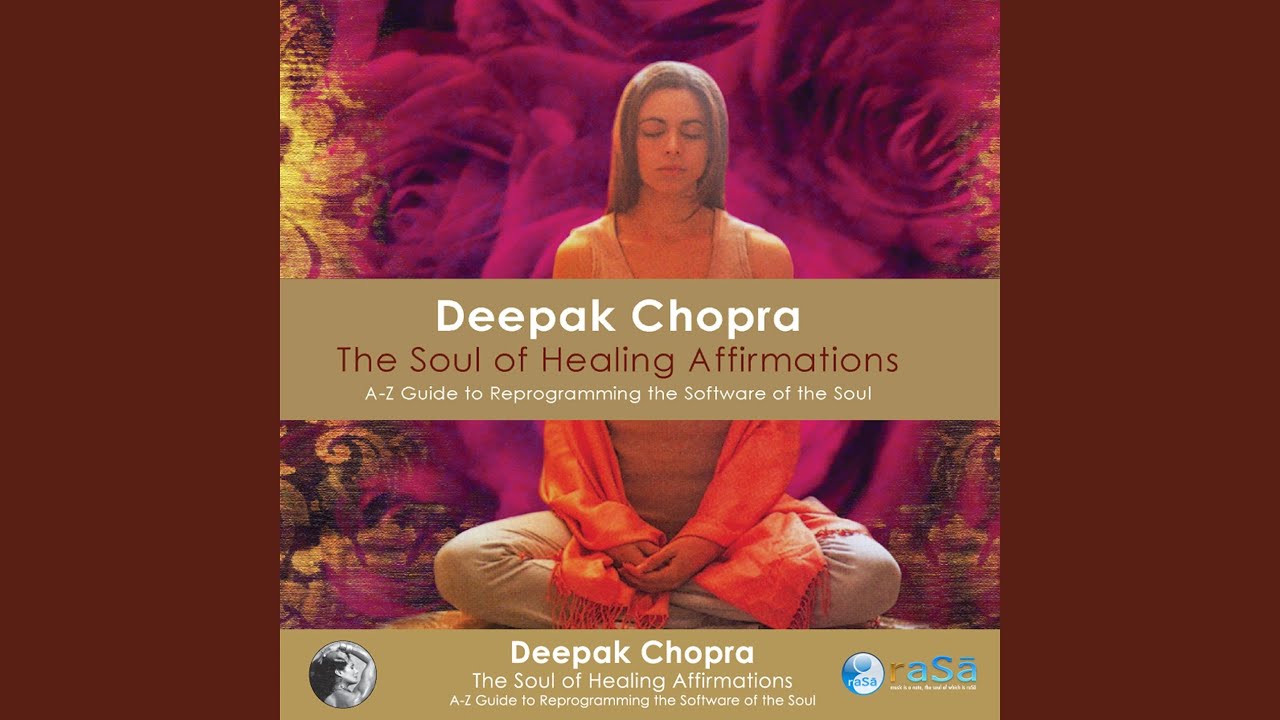
Chopra's work, particularly his engagement with texts like "The Secret of Love," consistently emphasizes that love is not a feeling separate from consciousness—it is consciousness recognizing itself. This album, "The Secret of Love: Meditations for Attracting and Being in Love," situates Rumi's poem within a framework that treats love as both an attractor and a teacher.

The secret is not a technique for making someone love you, but an understanding of what you are and what love actually is. When you recognize the divine nature of your own consciousness, you naturally attract others at a similar frequency of awareness. When you release the desperation that comes from believing you are incomplete, you become magnetic in a way that has nothing to do with physical appearance or personality branding.

Rumi's "Lovers" poem, viewed through this lens, becomes a map for moving from ego-bound love—love as possession, control, validation—to unity-based love, where two consciousnesses recognize themselves in each other and celebrate that recognition.

Where to Go From Here

To deepen your understanding of this teaching, consider reading Rumi's actual poetry in translation—Coleman Barks' interpretations are widely available and capture the ecstatic quality of the original. Experiment with meditation on the nature of your own consciousness before approaching intimate relationships from this place of centered awareness rather than neediness. Reflect on your own experiences of love: when have you felt most alive, most yourself, most recognized? What was the quality of presence you brought to those moments? These are not abstract philosophical questions but invitations to examine your own lived experience of love and connection. Finally, notice how this understanding shifts your perception of the people in your life—moving from judgment and expectation toward genuine curiosity about the consciousness looking out through their eyes.
Deepak Chopra
AuthorDeepak Chopra

Indian-American physician and author who has, more than any other figure, brought Vedic spiritual teachings into the mainstream Western consciousness. A former chief of staff at Ne…

View profileWebsite
Explore Topics
Rumi-poetryDivine-loveSpiritual-intimacyConsciousnessSufi-mysticism

Got Questions?

Frequently Asked Questions

In Rumi's poetry, lovers dissolving means the ego boundaries between two people fall away, and they recognize their fundamental unity beneath the illusion of separation. This is not romantic sentiment but a description of direct spiritual experience where the distinction between self and other becomes transparent, revealing the single consciousness animating both.
Love functions as a doorway to recognizing the divine within human experience. When two people meet genuinely, they serve as mirrors reflecting each other's essential nature—the consciousness itself, not the personality. This dissolution of boundaries and defenses is the same movement required for spiritual awakening.
Yes, Rumi's vision invites a shift from viewing relationships as emotional transactions or compatibility matches to seeing them as mutual initiations into deeper awareness. This means approaching your partner as a mystery, cultivating presence over performance, and recognizing that genuine meeting happens when both people release their armor and expectations.
Ego-based love seeks completion, validation, and security through another person—it is possessive and conditional. Unity-based love recognizes that both people are already whole consciousnesses; the relationship becomes a celebration of that wholeness and a mutual awakening to the divine nature of consciousness itself.
These images describe spiritual maturation, not pathology. Vulnerability in love means releasing the protective armor built around a false sense of self. This undefended state allows two people to encounter each other authentically, creating the possibility of being truly seen and known at the level of consciousness itself.
Rather than using techniques to make someone love you, the teaching suggests that recognizing the divine nature of your own consciousness naturally attracts others at a similar frequency of awareness. When you release the desperation of believing you are incomplete, you become magnetic in a way that transcends personality and appearance.

Continue Reading

More from Deepak

View All
Acceptance: The Foundation of Inner Peace and Healing
Featured

Acceptance: The Foundation of Inner Peace and Healing

Deepak Chopra explores acceptance as a core principle of spiritual practice and emotional well-being. Learn why embracing what is transforms…

1 min read
Chakra Seed Mantras: Lam, Vam, Ram, Yan, Ham, Sham, Om
Featured

Chakra Seed Mantras: Lam, Vam, Ram, Yan, Ham, Sham, Om

Learn the seven chakra seed mantras and how to use them for balancing body, mind, and soul through guided vocal practice with Deepak Chopra.…

1 min read
Coleman Barks on Rumi: Sacred Friendship and the Path to Grace
Featured

Coleman Barks on Rumi: Sacred Friendship and the Path to Grace

Discover the profound teachings of Coleman Barks, renowned translator of Rumi's mystical poetry, in this touching tribute episode. Explore t…

1 min read
How Sitting Still Proves You're Already Awakening
Featured

How Sitting Still Proves You're Already Awakening

Most people can't sit quietly without discomfort, but if you can, you're already further along spiritually than you realize. Eckhart Tolle e…

1 min read

Keep exploring

Continue your journey

More wisdom and gatherings from across the BrightStar directory.

More Articles

Browse the full library of teachings, interviews, and guides.

Back to all articles →

Teachers & Artists

Explore the lineages, musicians, and guides of the conscious world.

Explore artists →

Find an Event

Kirtan, retreats, sound baths, breathwork, festivals — happening soon.

Browse events →